Best Cafes in Samara, Costa Rica: A Coffee Lover's Honest Guide
The three cafes worth your morning in Sámara are [TOP PICK 1] for [ONE-LINE REASON], [TOP PICK 2] for [ONE-LINE REASON] and [TOP PICK 3] for [ONE-LINE REASON].

Most cafe round-ups tell you a place has good vibes and a nice terrace. This one is written by someone who works in coffee, so it also tells you where the beans come from, whether the espresso is actually pulled properly, and how fast the WiFi really is — measured, not guessed.
The cafes
Roots Bakery & Café
- Address
- Patio Colonial, Main Street, at the entrance to Sámara
Details from public listings, August 2026 — not yet checked in person.
Bohemia Cafe
- Address
- Centre Street, near Casa del Mar
Details from public listings, August 2026 — not yet checked in person.
Breakfast beyond the cafes
Not every good breakfast in Sámara comes with a flat white. Sodas serve gallo pinto with eggs from early morning for a fraction of cafe prices, and the bakeries sell out of the best things well before mid-morning.
[WHICH NON-CAFE BREAKFASTS ARE WORTH IT — where the gallo pinto is best, who bakes what, and what time to get there.]
Costa Rican coffee 101
Costa Rica takes coffee seriously enough to have legislated about it. In 1989 the country banned the planting of robusta outright, so for nearly three decades every coffee bean grown here was arabica — a national quality floor no other producing country imposed on itself. The ban was partially lifted in 2018 for low-lying regions, but the arabica-only reputation was already set.
Beans are graded by the altitude they grew at, and the label you want is SHB — Strictly Hard Bean, grown above roughly 1,200 metres. Higher and cooler means the cherry ripens slowly, the bean grows denser, and the cup comes out brighter and more acidic. The regions worth knowing are Tarrazú, Tres Ríos, Dota and Naranjo, all inland and all high.
Which brings up the thing nobody selling you a bag in Sámara will mention: no coffee is grown in Guanacaste. This coast is hot, low and dry — the opposite of what a coffee plant wants. Every bean poured here travelled from the mountains, and the good cafes will tell you which farm it came from if you ask.
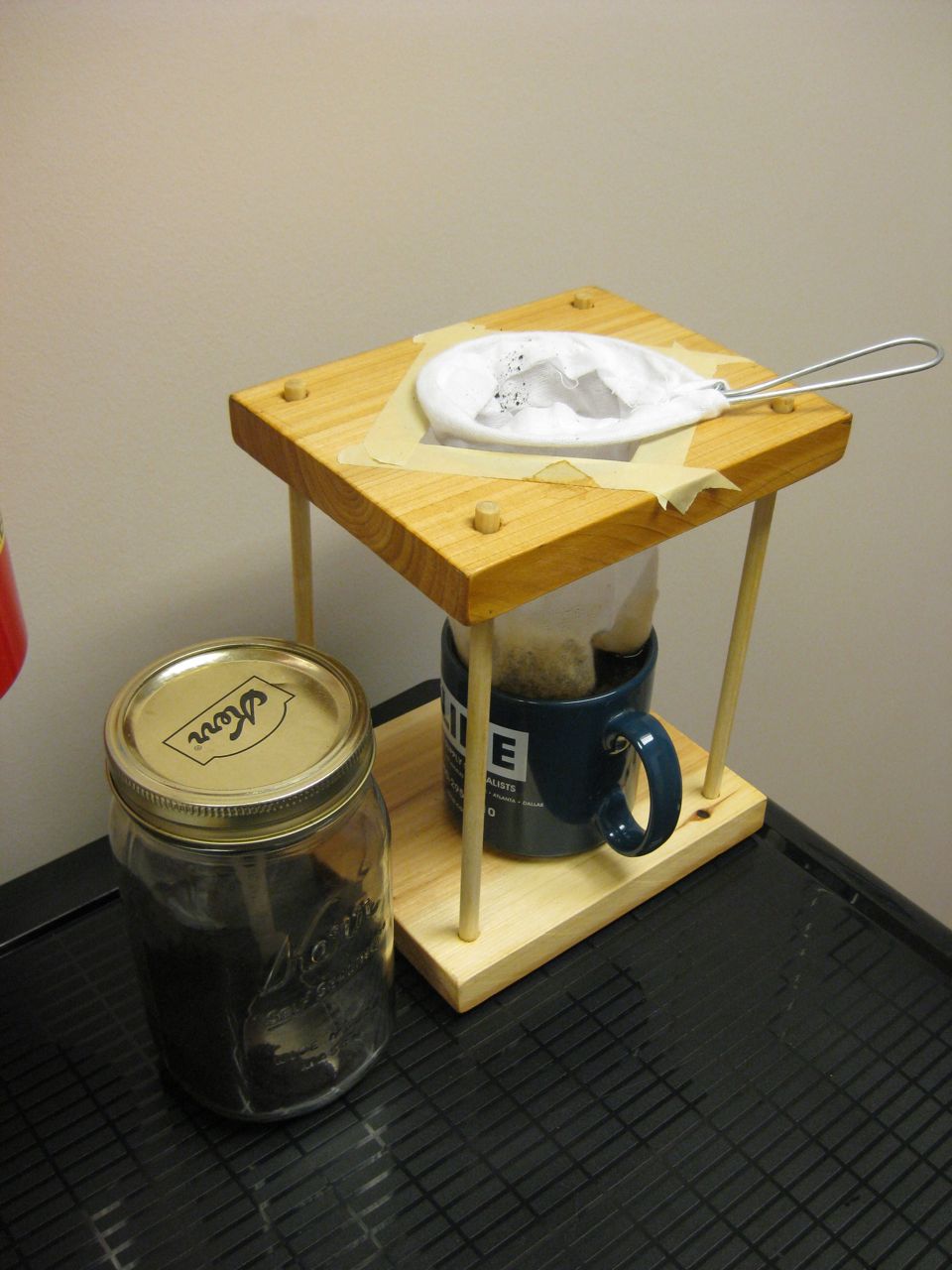
The traditional brewer is the chorreador: a wooden stand holding a cloth sock — the bolsita — that you pour hot water through. It is a pour-over that predates the fashion for pour-overs by about a century, and it makes a cleaner cup than its rustic looks suggest. If a place is using one rather than a machine, that is not a shortcut.
Where to go next
For the rest of the day, the complete restaurant guide covers lunch and dinner across town, and the nightlife guide covers what happens after dark.
Frequently asked questions
What time do cafes open in Samara?
Early — Roots Bakery & Café opens at 07:00, which is the practical answer for anyone up with the light. The thing to know is not the opening time but the sell-out time: the bakeries bake once, and by mid-morning the best of it is gone. [CONFIRM opening times for each cafe, and what sells out by when.]
Where can I work with my laptop in Samara?
[VERIFY AND WRITE — which cafes have power sockets, which have tables you can actually work at, the measured WiFi speed in Mbps at each, and whether anyone minds you staying. The measured numbers are the point — nobody else publishes them.]
How much is a coffee in Samara Costa Rica?
[VERIFY AND WRITE — the price of an espresso, a flat white and a filter coffee, in USD, with the month and year.]
Is Costa Rican coffee good?
Yes, and unusually consistently so. Costa Rica banned the planting of robusta in 1989, making arabica the only coffee legally grown here for nearly thirty years — a quality floor no other producing country imposed on itself. The best beans are graded SHB, or Strictly Hard Bean, meaning they grew above about 1,200 metres, where slow ripening produces a denser bean and a brighter cup. The regions to look for are Tarrazú, Tres Ríos, Dota and Naranjo. Note that none of them are anywhere near Sámara: Guanacaste is too hot and too low to grow coffee, so everything poured on this coast came from the mountains inland.